


Why Site Preparation Cannot Be Skipped
Proper preparation reduces the risk of structural failure, settlement, and water damage. Soil that hasn’t been tested and compacted to the correct bearing capacity can shift unevenly under the weight of a building, leading to cracked walls, uneven floors, and in severe cases, structural failure. Drainage planning prevents water from pooling against foundations, which over time erodes structural integrity and invites damp-related deterioration.
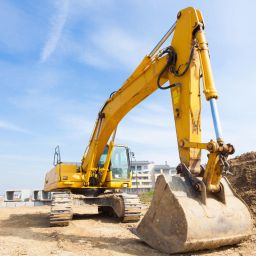
- Land Clearing — removing vegetation, debris, and obstructions to create a clean, workable site free of hidden hazards.
- Grading — shaping the land to the correct levels and slopes so water flows away from the structure rather than toward it.
- Soil Testing — determining bearing capacity, composition, and moisture behavior to inform foundation design.
- Drainage Planning — designing surface and sub-surface water management to protect the site through every season.
- Utility Mapping — identifying existing underground lines to avoid costly damage and project delays during excavation.
A foundation is only as strong as the ground it sits on — no amount of structural engineering above grade can compensate for poor preparation below it.
Efficiency, Safety, and Long-Term Value
It also improves construction efficiency by minimizing delays and unexpected costs. When a site has been properly surveyed and prepared in advance, contractors can plan equipment access, material staging, and sequencing with confidence — rather than discovering mid-project that the access road floods, the soil needs unplanned stabilization, or an unmarked utility line sits exactly where the foundation was meant to go.
A well-prepared site supports worker safety and compliance with project requirements. Cleared, graded, and properly drained sites reduce hazards like unstable footing, standing water, and uneven ground that contribute to on-site accidents. Regulatory inspections and permit approvals also move more smoothly when site conditions are documented and meet the required engineering standards from the outset.
Investing in thorough site preparation creates a strong foundation for quality and long-term durability. The cost of proper preparation is almost always smaller than the cost of repairing a structure built on inadequate ground — and the benefit extends across the entire lifespan of the building, from the first year of occupancy to decades down the line.









Test Baset